SDG 8 · Indicator
Labour freedom score
Displaying Trends
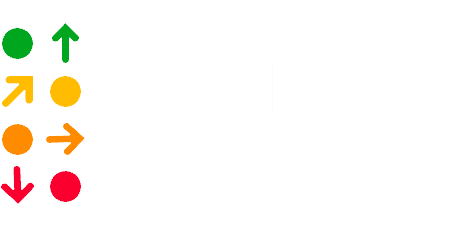
Trends indicate whether a country is on track to achieve the target by 2030.
Legend
Click on a country to see its performance.
On track or maintaining SDG achievement
Moderately improving
Stagnating
Decreasing
Trend information unavailable
Description
The labor freedom component is a quantitative measure that considers various aspects of the legal and regulatory framework of a country’s labor market, including regulations concerning minimum wages, laws inhibiting layofs, severance requirements, and measurable regulatory restraints on hiring and hours worked, plus the labor force participation rate as an indicative measure of employment opportunities in the labor market. Seven quantitative sub-factors are equally weighted, with each sub-factor counted as one seventh of the labor freedom component: Ratio of minimum wage to the average value added per worker, Hindrance to hiring additional workers, Rigidity of hours, Difficulty of firing redundant employees, Legally mandated notice period, Mandatory severance pay, and Labor force participation rate. (https://www.heritage.org/index/pdf/2021/book/02_2021_IndexOfEconomicFreedom_METHODOLOGY.pdf)
Long-Term Objective
The long-term objective for this indicator is a value of 90.
Reference
The Heritage Foundation